e-Invoice Exemption Raised to RM3 Million: What It Means for Your Business
By Redgate Ventures · Published
From 1 September 2026, Malaysian businesses with annual sales below RM3 million no longer have to issue e-Invoices. The threshold rose from RM1 million, which LHDN says exempts more than 1.1 million businesses. Companies above RM3 million must still comply, and smaller firms can still join voluntarily.

What changed with the e-Invoice threshold?
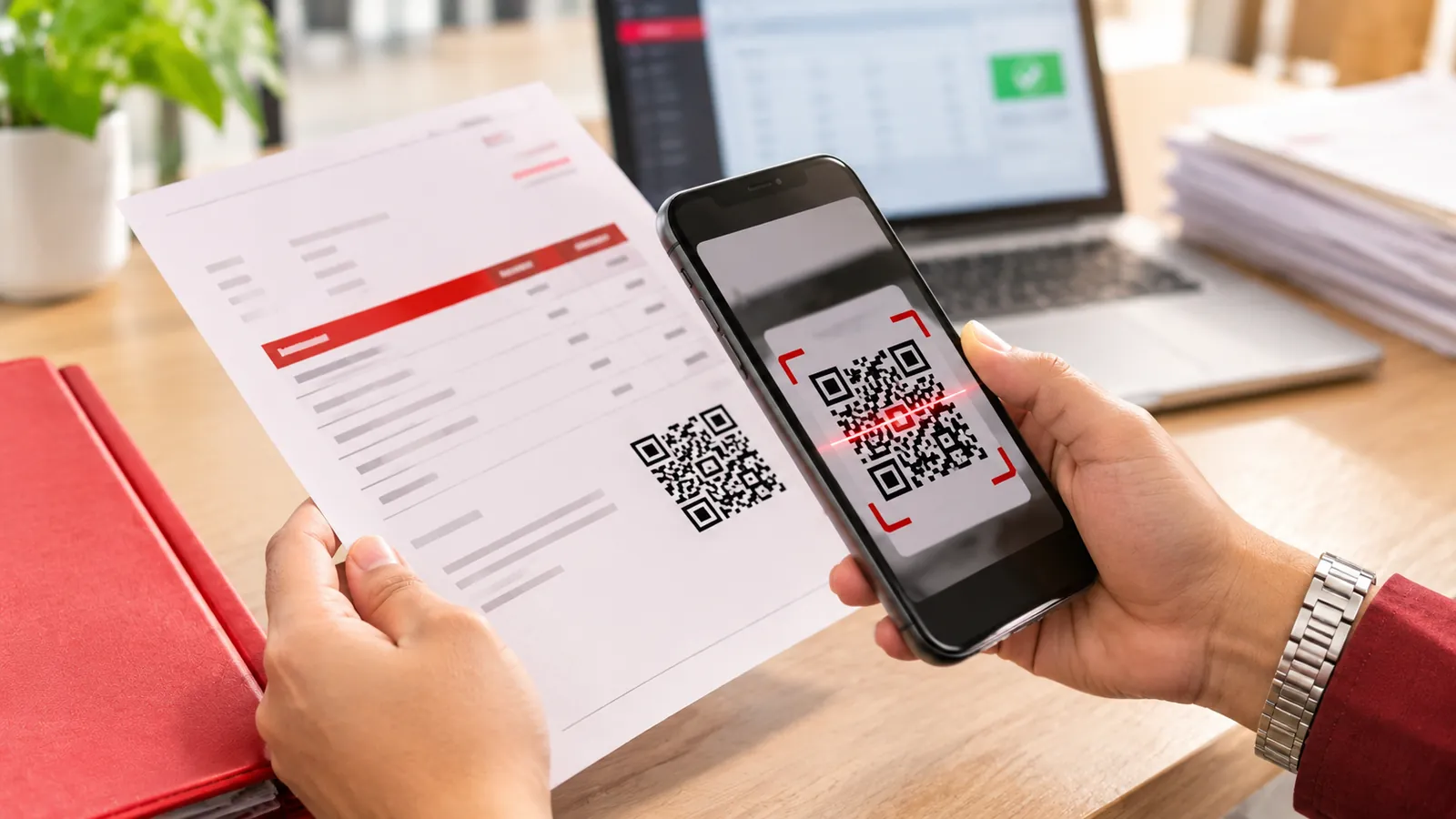
An e-Invoice is a digital record of a sale that is sent to LHDN for validation, either through the free MyInvois Portal or directly from your accounting or POS software. Once validated, the invoice carries a unique ID and a QR code that anyone can scan to check it is genuine. It replaces the paper or PDF invoice as the official proof of a transaction for tax purposes.
The e-Invoice exemption threshold is the annual turnover below which a business doesn't have to issue e-Invoices through LHDN's MyInvois system.
On 30 August 2026, the Prime Minister announced in his National Day address that the threshold would rise from RM1 million to RM3 million, effective 1 September 2026. This is the third increase in a year: the cut-off was RM500,000 in 2025, moved to RM1 million from 1 January 2026, and now sits at RM3 million.
Who is exempt, and who still has to comply?
| Annual turnover | e-Invoice status from 1 Sept 2026 |
|---|---|
| Below RM3 million | Exempt; voluntary participation encouraged |
| RM3 million to RM5 million | Must comply (Phase 4 group) |
| Above RM5 million | Must comply (Phases 1–3, already live) |
According to ClearTax's summary of LHDN guidance, businesses that now fall under RM3 million can stop issuing e-Invoices without applying to LHDN first. There are eligibility criteria, so confirm your position with your accountant or on LHDN's e-Invoice timeline page.
Why did LHDN raise the threshold?
The change is meant to ease the cost and admin burden on micro and small businesses, many of which still keep records by hand. It is not a cancellation.
LHDN has stressed that the government still strongly encourages MSMEs to adopt e-Invoicing voluntarily, in line with Malaysia's plan to digitalise businesses. In other words, the direction hasn't changed; only the pace has.
When do the key e-Invoice deadlines apply?
- 1 January 2026: Phase 4 started for businesses with turnover up to RM5 million, subject to the exemption rules.
- 1 January 2026: Any single sale above RM10,000 needs its own e-Invoice; consolidated e-Invoices are no longer allowed for these.
- 1 September 2026: Exemption threshold raised to RM3 million.
- 31 December 2027: End of the relaxation period for the Phase 4 group, according to ClearTax's summary.
If your turnover is growing towards RM3 million, plan now. Crossing the threshold means you must comply, and setting up a system takes weeks, not days. A simple habit helps: review your rolling 12-month sales every quarter, so you see the threshold coming months ahead instead of finding out at year end.
Where does e-Invoicing still affect exempt businesses?
Even if you're exempt, e-Invoicing still touches your business:
- Your suppliers above RM3 million will send you validated e-Invoices, often with a QR code. You need to keep them for your records.
- Your corporate customers may prefer suppliers who issue e-Invoices because it makes their tax filing easier.
- Marketplace and POS sales create invoice data anyway, so a connected system costs little extra effort.
How should your business respond now?
1. Confirm your annual turnover
Check your latest financial statements with your accountant and decide which band you fall into.
2. If you're above RM3 million, check your system
Make sure your accounting or POS software submits e-Invoices to MyInvois directly and tracks the validation status of each one.
3. If you're below RM3 million, decide on voluntary adoption
If you sell to large companies or plan to grow past RM3 million within two years, setting up early avoids a rushed change later.
4. Clean up your customer data
e-Invoices need correct details such as the buyer's TIN (tax ID number) and registration number. Collect these now, whatever your status.
5. Keep watching for updates
The rules have changed three times in 15 months. Bookmark LHDN's e-Invoice page or call the e-Invoice helpdesk at 03-8682 8000.
Get your e-Invoice setup sorted
Redgate Ventures, a Malaysian business-systems company, helps SMEs set up accounting and POS systems that connect to MyInvois. Not sure which band you're in, or whether to adopt voluntarily? Book a free consultation and we'll walk you through it.
Frequently Asked Questions
Do I need to apply to LHDN to stop issuing e-Invoices?
According to ClearTax's summary of LHDN guidance, no. Businesses that meet the RM3 million exemption and its criteria can stop without a separate application. Confirm with your accountant first.
Can I still issue e-Invoices voluntarily if I'm exempt?
Yes. LHDN encourages voluntary participation, and many businesses keep issuing e-Invoices because their corporate customers prefer it.
What if my turnover goes above RM3 million later?
You'll need to start issuing e-Invoices. Prepare your accounting system and customer data before you cross the threshold so the switch is smooth.
Does the RM10,000 rule apply to exempt businesses?
The RM10,000 single-sale rule applies to businesses that must issue e-Invoices. If you're exempt, check with your accountant whether any of your transactions still fall under it.
Get a free consultation · WhatsApp +60 17-209 1763 · contact@redgateventures.my